

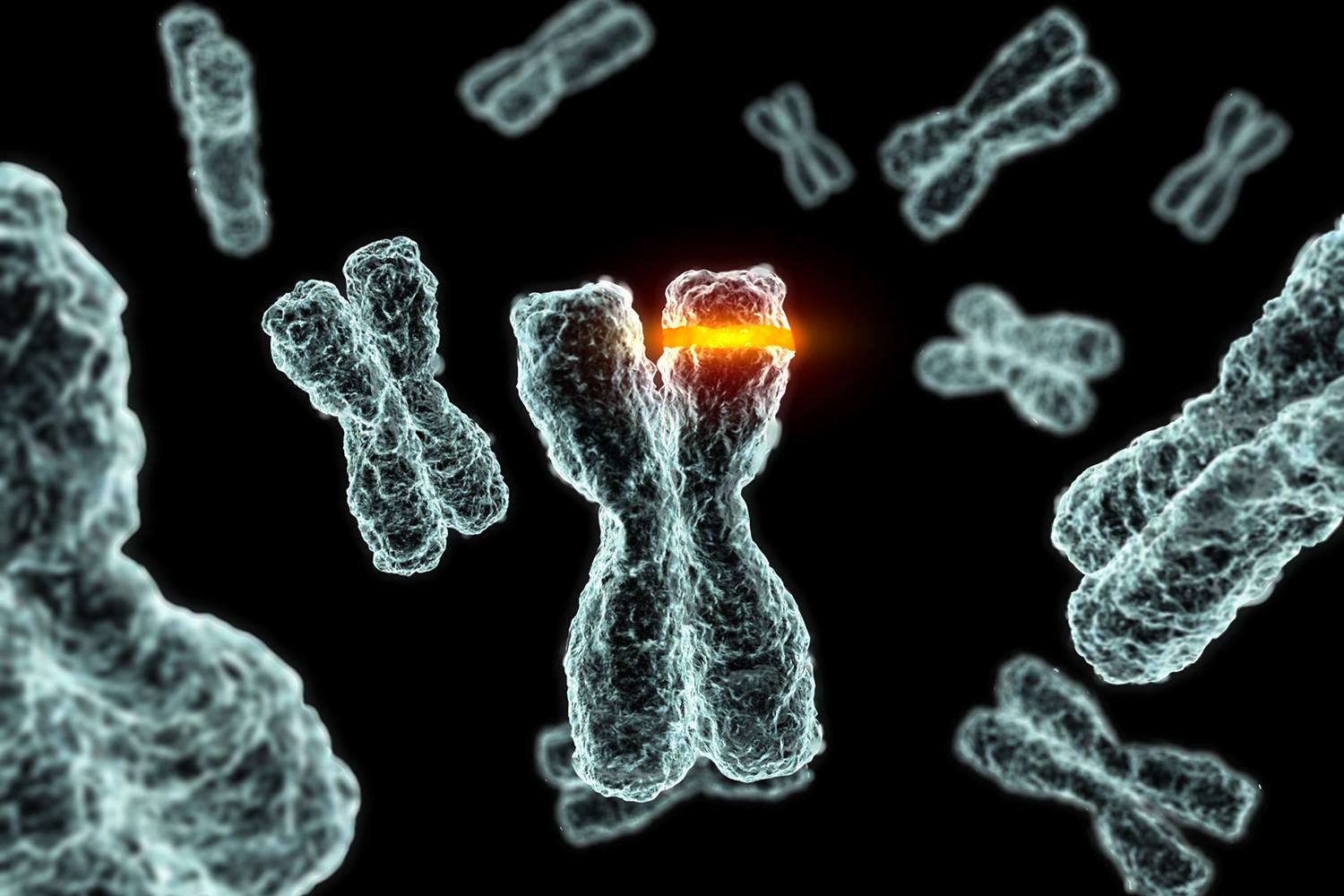
Targeted Depth.
Clinical Confidence.
Clinical Exome Sequencing (CES) is a highly specialized NGS solution that prioritizes the ~7,000 genes strictly associated with human disease. Unlike standard WES, CES delivers ultra-high depth on a curated Mendeliome, ensuring that medically actionable variants are captured with 2026-level precision.
Our approach leverages Human Phenotype Ontology (HPO) to prioritize variants based on a patient's specific symptoms, transforming raw sequence data into clear, diagnostic answers.
Key Clinical Indications
Undiagnosed Rare Diseases
Ending the diagnostic odyssey for pediatric and adult patients with complex, multisystem phenotypes.
Neurodevelopmental Disorders
Deep screening for intellectual disability, autism, and refractory epilepsy with high phenotypic heterogeneity.
Cardiology & Inherited Arrythmias
Targeted analysis of genes associated with sudden cardiac arrest, cardiomyopathies, and channelopathies.
Precision Oncology (Germline)
Identification of hereditary cancer syndromes (Lynch, HBOC) to guide family risk assessment and prophylactic care.
Diagnostic Differentiators
| Feature | Clinical Exome (CES) | Standard WES |
|---|---|---|
| Scope | Mendeliome (~5,000 - 7,000 Genes) | Whole Exome (~20,000 Genes) |
| Diagnostic Aim | Clinical Diagnosis (Known Pathologies) | Research & Novel Discovery |
| Mean Depth | 150× - 200× (Diagnostic Grade) | 100× - 120× (Research Grade) |
| Uniformity | Ultra-High (Focus on Clinical Targets) | High (Standard Exome Uniformity) |
| TAT (Turnaround) | 3 - 4 Weeks | 4 - 6 Weeks |
Simple End-to-End Workflow
Five seamless steps from sample submission to actionable clinical diagnostic report.
Clinical Intake
Submit patient samples (Blood, Saliva, DNA) along with detailed clinical history and HPO terms.
Mendeliome Capture
High-uniformity capture of ~7,000 clinically relevant genes to ensure maximum diagnostic depth.
High-Depth Sequencing
Illumina sequencing at 150×–200× mean depth for high-confidence clinical variant calling.
Phenotype-Driven Analysis
Automated variant prioritization based on patient HPO terms and ACMG/AMP clinical guidelines.
Geneticist Sign-off
Board-certified review and delivery of a clear, medically actionable diagnostic report.


Supported Sample Types & Requirements
A completed clinical requisition form and HPO terms are required with all CES sample submissions.
The Medical-Grade Pipeline
Clinical Core
- Automated Phenotype-to-Gene Mapping (HPO)
- ACMG/AMP Compliant Variant Classification
- Detection of Pathogenic SNVs & small InDels
- ClinVar, HGMD & OMIM Database Cross-referencing
- Secondary Findings reporting (ACMG v3.2 Genes)
- Board-Certified Geneticist Interpretation
Advanced Variant Detection
- Copy Number Variation (CNV) Detection
- Mitochondrial Genome Analysis (Optional)
- Inheritance Pattern Modelling (Trio/Duo)
- Pharmacogenomics (PGx) Integration
- Custom Phenotype-driven Prioritization
Deliverables
Common Questions
End the Diagnostic Odyssey.
Launch your clinical diagnostic project with world-class variants prioritization and medical-grade genetic reporting.